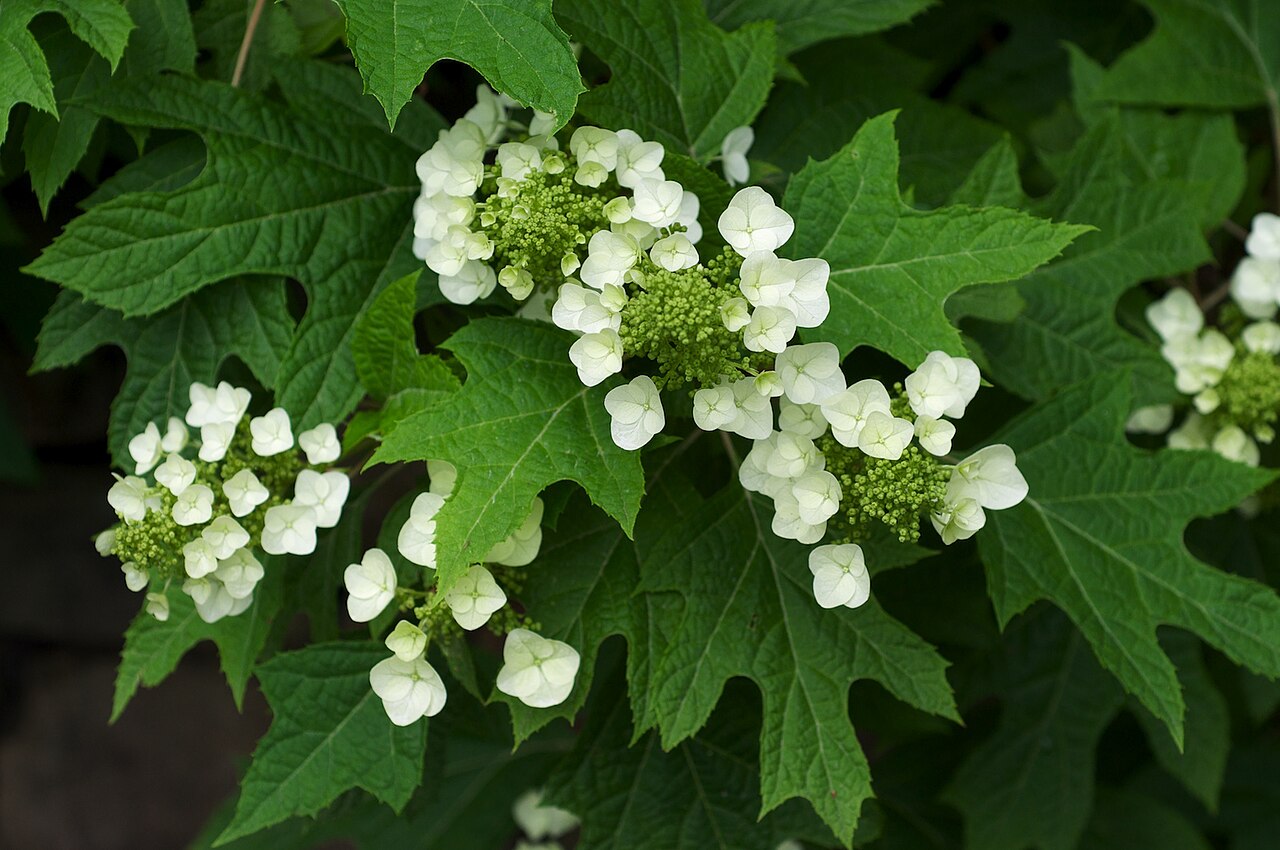

Why prepare native hydrangeas for winter
To prepare native hydrangeas for winter, start with what they need. Native hydrangeas bring reliable blooms and structure to shaded gardens, yet they need targeted care before cold weather arrives. Oakleaf hydrangea and smooth hydrangea both tolerate part shade to shade and require steady moisture, so winter preparation centers on protecting roots and buds without encouraging late growth. Proper steps reduce dieback and support strong spring flowering.
The process starts in late summer and finishes before the ground freezes. Focus on soil moisture, mulch depth, and pruning timing specific to each species. These actions also limit winter burn on exposed stems.
Begin by noting your local first frost date and work backward. In many regions this means starting soil checks in August and finishing mulch application by November. Rushing the sequence can force soft growth that fails in the first hard freeze, while delaying too long leaves roots exposed to early cold snaps. The goal is steady hardening without stress from drought or nutrient imbalance.
Assess site conditions before winter
Evaluate drainage and sun exposure around your hydrangeas in early fall. Oakleaf hydrangea grows best in shade and moist soil, while smooth hydrangea prefers part shade with consistent moisture. Both suffer if water sits around roots during freeze-thaw cycles.
Check for wind exposure that dries stems. Add temporary windbreaks made from burlap or evergreen boughs on the north and west sides. This protection is especially useful for young plants still establishing root systems.
Avoid sites that collect heavy snow loads on branches. Both species can break under repeated heavy snow, so choose or create locations with some overhead cover from taller trees.
Walk the planting area after a heavy rain to spot low spots where water pools. If drainage is poor, consider gently mounding soil at the base before winter or installing a shallow French drain. Windbreaks should be secured with stakes so they do not blow over; loose barriers can damage stems when they shift. Mature plants in sheltered microclimates may skip extra wind protection, but newly planted specimens under three years old benefit most. Heavy snow sites without overhead cover often require annual branch tying instead.
Adjust watering and feeding
Reduce nitrogen applications by midsummer so plants harden off naturally. Continue deep watering until the ground freezes to keep roots hydrated through winter. Oakleaf hydrangea in particular shows stress when soil dries out before dormancy.
Apply a final thorough watering after leaf drop. This step prevents desiccation during dry winter winds. Skip late-season fertilizer, which can produce tender growth that freezes back.
Monitor soil moisture weekly in fall. Consistent moisture now supports the plant’s ability to withstand cold without additional root damage.
Use a soaker hose or drip line to deliver water slowly at the drip line rather than at the stem. Aim for one inch of water per week until the soil surface freezes. Overwatering in late fall on heavy clay soils creates ice lenses that heave roots; sandy soils drain faster and may need an extra session. Never apply fertilizer after July if you want reliable bud set. Late feeding trades short-term green growth for higher winter dieback risk.
Gather necessary supplies ahead of time
Collect mulch, burlap, twine, and sterilized pruners by early October so weather delays do not push work past the safe window. Store organic mulch in a dry location to prevent premature decomposition. Have enough material on hand to reach the recommended depth without running short mid-task.
Test twine strength on a spare branch before tying main stems. Weak twine snaps under snow weight while overly tight cord can girdle bark. Keep pruners sharp and wipe blades with alcohol between cuts. Running out of supplies or using dull tools mid-project leads to incomplete protection or ragged cuts that invite disease.
Prune at the correct time
Prune oakleaf hydrangea only after flowering finishes in summer, because it blooms on old wood. Remove only dead or crossing stems in fall to maintain shape without cutting next year’s buds.
Smooth hydrangea blooms on new wood, so it tolerates harder pruning in late fall or early spring. Cut stems back to 6–12 inches above ground if you want compact growth and larger flower heads the following season.
Always sterilize tools between plants to avoid spreading disease. Leave some height on stems for smooth hydrangea if you prefer a more natural look and lighter bloom display.
Oakleaf pruning mistakes often involve cutting too low in fall, removing the next season’s flower buds. Smooth hydrangea left unpruned produces many small heads; hard pruning trades some natural height for fewer but larger blooms. Perform cuts on dry days to reduce fungal spread. If you miss the late-fall window for smooth hydrangea, wait until early spring when buds swell so you can still remove winter-killed wood.
Apply protective mulch
Spread 3–4 inches of shredded bark or leaf mold over the root zone after the ground cools but before it freezes. Keep mulch a few inches away from stems to prevent rot. This layer insulates roots of both oakleaf hydrangea and smooth hydrangea against temperature swings.
Mulch also retains late-season moisture. In colder zones, add an extra inch around the base of oakleaf hydrangea, which can be slower to establish.
Replenish mulch in early spring once new growth appears. This timing prevents smothering emerging shoots while still protecting against late frosts.
Apply mulch when daytime temperatures stay below 50 °F but the soil is still workable. Too-early application can keep soil warm and delay dormancy. Pull mulch back from the crown by two inches to avoid collar rot. In very cold zones the extra inch helps, yet in milder areas excess mulch can stay damp and encourage rodents. Replenish only after you see green shoots; adding fresh mulch over frozen ground creates a solid ice cap that blocks oxygen.
Protect stems and buds
Wrap stems of oakleaf hydrangea with burlap if harsh winds or heavy snow are common. Tie branches loosely to reduce breakage under snow weight. Smooth hydrangea stems are more flexible but still benefit from the same wind screen.
Avoid plastic wraps that trap moisture and cause rot. Use breathable materials only. Remove coverings gradually in spring as temperatures rise steadily.
These physical barriers work best on young or recently transplanted specimens. Mature plants usually need less intervention once established.
Install wraps after leaf drop but before the first hard freeze. Loosely spiral burlap from base to tip and secure with twine every 12 inches. Tight wrapping restricts air flow and can cause mold. Remove coverings in stages over two weeks rather than all at once; sudden exposure to bright sun can scorch previously shaded stems. Established plants over five years old often forgo wrapping unless a severe winter is forecast.
Monitor for pests and disease
Inspect stems and leaf litter in fall for scale or fungal spots. Remove and dispose of infected material away from the garden to reduce overwintering sites. Both hydrangea species can host common garden fungi that spread in damp winter conditions.
Clear fallen leaves from the base to limit spore carryover. Do not compost diseased debris. This simple sanitation step improves plant health more than chemical treatments.
Continue light monitoring through winter on mild days. Early detection prevents larger problems when growth resumes.
Rake leaves on a dry afternoon and bag them immediately. Wet debris left in piles breeds spores that reinfect plants in spring. Check stems for scale by running a fingernail along the bark; if you see small raised bumps, scrape and dispose of them. Mild-day inspections should focus on south-facing stems that warm fastest and may show early activity. Sanitation now reduces the need for later sprays.
Plan for spring recovery
Observe new growth in early spring before removing any remaining mulch or protection. Both species may show delayed leaf-out after cold winters. Wait until soil warms to assess winter damage.
Prune any winter-killed stems on smooth hydrangea once buds swell. Oakleaf hydrangea needs only light shaping after bloom. Resume regular watering once active growth begins.
Track which plants needed extra protection this year. Adjust mulch depth or wind barriers accordingly in future seasons.
Wait until nighttime temperatures remain above 40 °F before fully clearing mulch. Premature removal exposes roots to late freezes while waiting too long can smother new shoots. On smooth hydrangea, cut dead wood to live buds rather than to a set height. Keep a simple garden journal noting which plants required extra burlap so next year’s plan is faster and more precise.
Conclusion
Consistent fall care helps native hydrangeas survive winter with minimal dieback. Focus on species-specific pruning, steady moisture, and root insulation to keep plants healthy year after year. For companions that share their conditions, browse native plants for shade and native plants for birds.