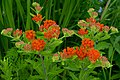
Sun, water, bloom season, wildlife value, and an honest note on whether it's sold true to species or as a bred lookalike — for every Rhode Island-native plant in the registry.
181Native species listed
140With a live listing
6Blooming this month
Quick answer: Rhode Island has 181 native plants in this directory, 140 with a live listing as of 04 Nov 2026, and 20 with a lookalike alert — check before you buy.
Rhode Island has 181 native plants in this directory, from the Northeast region, growing in USDA zones 6b-7b. The typical last spring frost is around Apr 22 and the first fall frost around Oct 19, so most native seed goes in outdoors in late fall or winter. Of these, 128 tolerate some shade, 124 feed pollinators and 87 handle dry spells; bloom peaks in May. Good places to start: Northern blue flag, Seaside goldenrod and Butterflyweed.
Right nowLast frost around Apr 22, first frost around Oct 19
SunMedium water, Dry-MoistGrow from seedWild species
BLOOMBloom Apr-Jun
Sold as seed via Amazon; verified 16 Sep 2026.
Listing verified 16 Sep 2026
Beach plum
Prunus maritima
Sun
Sun
Water
Medium water, Dry-Moist
Bloom
Bloom Apr-Jun
Sold as
Seed
Soil
Sandy or gravelly soils, salt-tolerant
Height
Up to 8 ft, occasionally 12 ft tall
Wildlife value
Birds and wildlife eat fruit, attracts pollinators, special value to native bees
Buying it
Sold true to the wild species as of the last check (16 Sep 2026), via Amazon.
Toxicity
Partially wilted foliage contains hydrocyanic acid, known to kill livestock that browsed on it. Seeds of all Prunus species contain poisonous substances, should never be eaten; toxicity varies by age/weight/condition, children most vulnerable
Acorns food for turkeys/grouse, larval host for Sleepy Duskywing and Eastern buckmoth
Buying it
No live listing of the true wild species was found as of 15 Sep 2026 — that means our last search didn't surface one, not that the plant is unavailable.
Sun (very shade-intolerant)HighGrow from seedWild species
BLOOMApr
No live listing found as of 16 Sep 2026.
Not currently sold
Bigtooth aspen
Populus grandidentata
Sun
Sun (very shade-intolerant)
Water
High
Bloom
Apr
Sold as
Not currently sold
Soil
Mesic, rich, adaptable, acidic
Height
50-75 ft (to 110 ft)
Wildlife value
Food for many species, larval host for Eastern Tiger Swallowtail, Viceroy
Buying it
No live listing of the true wild species was found as of 16 Sep 2026 — that means our last search didn't surface one, not that the plant is unavailable.
Attracts birds and butterflies, larval host for Regal Fritillary
Buying it
No live listing of the true wild species was found as of 16 Sep 2026 — that means our last search didn't surface one, not that the plant is unavailable.
Sun, Part Shade, ShadeHighGrow from seedWild species
BLOOMMar-Apr
No live listing found as of 16 Sep 2026.
Not currently sold
Black ash
Fraxinus nigra
Sun
Sun, Part Shade, Shade
Water
High
Bloom
Mar-Apr
Sold as
Not currently sold
Soil
Peat, sandy loam, acidic
Height
40-50 ft (to 90 ft)
Wildlife value
Attracts birds
Buying it
No live listing of the true wild species was found as of 16 Sep 2026 — that means our last search didn't surface one, not that the plant is unavailable.
Sun, Part Shade, ShadeMedium water, Dry-MoistGrow from seedWild species
BLOOMBloom Mar-Jun
ships from Amazon, sold by Isla's Garden Seeds, 3.4★/318 reviews — live-verified
Listing verified 15 Sep 2026
Black cherry
Prunus serotina
Sun
Sun, Part Shade, Shade
Water
Medium water, Dry-Moist
Bloom
Bloom Mar-Jun
Sold as
Seed
Soil
Well-drained soils, neutral to acidic
Height
Up to 110 ft (eastern), shorter in southwest
Wildlife value
Fruit eaten by 33 bird species and mammals, larval host for Eastern Tiger Swallowtail and Viceroy
Buying it
Sold true to the wild species as of the last check (15 Sep 2026), via Amazon.
Toxicity
All parts except fruit contain poisonous substances, especially bark/leaves/seeds. Wilted leaves, twigs, seeds contain cyanogenic glycoside and amygdalin; can cause gasping, weakness, spasms, convulsions, respiratory failure. Highly toxic to humans and herbivorous mammals, may be fatal
Invasive / regulated
Recorded in Europe since 1629, now highly invasive there and in northern South America; not noted as invasive/regulated in North America
Sun, Part Shade, ShadeLowGrow from seedWild species
BLOOMMay-Jul
No live listing found as of 16 Sep 2026.
Not currently sold
Black huckleberry
Gaylussacia baccata
Sun
Sun, Part Shade, Shade
Water
Low
Bloom
May-Jul
Sold as
Not currently sold
Soil
Sandy or rocky, acidic
Height
1-3 ft (to 5 ft)
Wildlife value
Fruits/twigs used by wildlife, attracts birds
Buying it
No live listing of the true wild species was found as of 16 Sep 2026 — that means our last search didn't surface one, not that the plant is unavailable.
Sun, Part ShadeHigh water, MoistGrow from seedWild species
BLOOMBloom Apr-May
In Stock, $39.99, 3.5★/101 reviews — germination complaints noted, best available; original candidate B01C0XVG48 went unavailable
Listing verified 15 Sep 2026
Black walnut
Juglans nigra
Sun
Sun, Part Shade
Water
High water, Moist
Bloom
Bloom Apr-May
Sold as
Seed
Soil
Moist, rich soils - sandy loam, medium loam, clay loam, acid-based or calcareous
Height
50-75 ft, up to 150 ft
Wildlife value
Nuts attract squirrels and wildlife, larval host for luna and regal moths, attracts birds/butterflies
Buying it
Sold true to the wild species as of the last check (15 Sep 2026), via Amazon.
Toxicity
No dedicated warning field; juglone in soil kills nearby tomatoes/apples. Husks rich in tannins/toxins, used as insecticide/fish poison/dye. Unanswered user question about toxicity to alpacas
ShadeMedium water, MoistGrow from seedWild species
BLOOMBloom May-Jun
No live listing found as of 16 Sep 2026.
Not currently sold
Bluebead
Clintonia borealis
Sun
Shade
Water
Medium water, Moist
Bloom
Bloom May-Jun
Sold as
Not currently sold
Soil
Deep, damp, cold leafmold
Height
Up to 20 in tall
Wildlife value
Chipmunks and birds eat berries
Buying it
No live listing of the true wild species was found as of 16 Sep 2026 — that means our last search didn't surface one, not that the plant is unavailable.
Toxicity
Berries flagged suspect for toxicity, unknown toxic principle, no documented poisoning cases
Sun, Part Shade, ShadeMedium (wet)Grow from seedWild species
BLOOMMay-Jun
No live listing found as of 16 Sep 2026.
Not currently sold
Bog laurel
Kalmia polifolia
Sun
Sun, Part Shade, Shade
Water
Medium (wet)
Bloom
May-Jun
Sold as
Not currently sold
Soil
Wet, organic, peat, acidic
Height
Up to 3 ft
Wildlife value
Conspicuous flowers
Buying it
No live listing of the true wild species was found as of 16 Sep 2026 — that means our last search didn't surface one, not that the plant is unavailable.
Toxicity
All plant parts highly toxic and potentially fatal; symptoms: salivation, nausea, vomiting, abdominal pain, lack of coordination, paralysis; andromedotoxin and arbutin
Sun, Part Shade, ShadeMoist, WetGrow from seedWild species
BLOOMJun-Jul
No live listing found as of 16 Sep 2026.
Not currently sold
Bog rosemary
Andromeda polifolia
Sun
Sun, Part Shade, Shade
Water
Moist, Wet
Bloom
Jun-Jul
Sold as
Not currently sold
Soil
Organic peats/sands/mucks, acidic
Height
8 in to 3 ft
Wildlife value
Conspicuous flowers
Lookalike alert
⚠ No fix found 16 Sep 2026 — no genuine Amazon.com listing found; searches return only culinary Rosmarinus officinalis — an unrelated species/genus entirely.
Toxicity
All plant parts poisonous, toxic in large quantities; symptoms: watering of mouth/eyes/nose, loss of energy, slow pulse, vomiting, low blood pressure, lack of coordination, convulsions, progressive paralysis; andromedotoxin
Sold true to the wild species as of the last check (04 Nov 2026), via Amazon.
Toxicity
All parts when fresh toxic only if eaten in large quantities; fresh sap causes skin inflammation/blistering on contact, and ingestion causes mouth irritation, vomiting, diarrhea.
Invasive / regulated
Can be aggressive in cultivation under favorable conditions — garden behavior, not a wild-invasive designation.
Sun, Part Shade, ShadeMediumGrow from seedWild species
BLOOMMar-May
No live listing found as of 16 Sep 2026.
Not currently sold
Canada yew
Taxus canadensis
Sun
Sun, Part Shade, Shade
Water
Medium
Bloom
Mar-May
Sold as
Not currently sold
Soil
Moist sands or sandy loams
Height
Up to 6 ft
Wildlife value
Birds eat red berry-like fruit
Buying it
No live listing of the true wild species was found as of 16 Sep 2026 — that means our last search didn't surface one, not that the plant is unavailable.
Toxicity
Bark, leaves, and seed pit highly toxic and potentially fatal if ingested; symptoms: nervousness, trembling, slow pulse, pupil dilation, breathing difficulty, abdominal pain, vomiting, diarrhea, weakness, convulsions; only the red aril flesh is edible, the green seed is poisonous
No live listing of the true wild species was found as of 16 Sep 2026 — that means our last search didn't surface one, not that the plant is unavailable.
Toxicity
Some people sensitive to burnets; sensitivity varies with age/weight/condition
Sun, Part Shade, ShadeMedium water, Moist-WetGrow from seedWild species
BLOOMBloom Apr-May
No live listing found as of 16 Sep 2026.
Not currently sold
Canadian serviceberry
Amelanchier canadensis
Sun
Sun, Part Shade, Shade
Water
Medium water, Moist-Wet
Bloom
Bloom Apr-May
Sold as
Not currently sold
Soil
Moist, well-drained soils
Height
6-20 ft, up to 30 ft
Wildlife value
Important browse and food plant for birds and wildlife, special value to native bees, supports conservation biological control
Buying it
No live listing of the true wild species was found as of 16 Sep 2026 — that means our last search didn't surface one, not that the plant is unavailable.
Sun, Part Shade, ShadeMedium-High water, Moist-WetGrow from seedWild species
BLOOMBloom May-Oct
Sold as seed via Amazon; verified 15 Sep 2026.
Listing verified 15 Sep 2026
Cardinal flower
Lobelia cardinalis
Sun
Sun, Part Shade, Shade
Water
Medium-High water, Moist-Wet
Bloom
Bloom May-Oct
Sold as
Seed
Soil
Moist to wet, humus-rich soil - medium loam, clay loam, limestone-based, sandy, sandy loam, clay
Height
Up to 6 ft tall
Wildlife value
Nectar source for hummingbirds, attracts birds and butterflies
Buying it
Sold true to the wild species as of the last check (15 Sep 2026), via Amazon.
Toxicity
All parts toxic only if eaten in large quantities. Symptoms: nausea, vomiting, diarrhea, salivation, exhaustion/weakness, pupil dilation, convulsions, coma. Toxic compounds: alkaloids lobelamine, lobeline, and others, plus volatile oil
No live listing of the true wild species was found as of 16 Sep 2026 — that means our last search didn't surface one, not that the plant is unavailable.
Sun, Part Shade, ShadeMedium water, Dry-MoistGrow from seedWild species
BLOOMBloom Apr-Jul
(MySeeds.Co); In Stock, $30.00 — original candidate rejected: mismatched description (listing actually described unrelated "Roc...
Listing verified 15 Sep 2026
Chokecherry
Prunus virginiana
Sun
Sun, Part Shade, Shade
Water
Medium water, Dry-Moist
Bloom
Bloom Apr-Jul
Sold as
Seed
Soil
Nutrient-rich, moist soils with limestone - sandy, sandy loam, medium loam, clay loam, clay
Height
Up to 30 ft tall
Wildlife value
Fruit feeds birds/bears/moose/deer/elk, larval host for Columbia silkmoth
Buying it
Sold true to the wild species as of the last check (15 Sep 2026), via Amazon.
Toxicity
New growth, wilted leaves, or frost/drought-injured plant parts poisonous to cattle and humans; toxin hydrocyanic acid forms in stomach. Children have been poisoned and died after ingesting large quantities of berries (which contain seeds)
Sun, Part ShadeDry, Medium water useGrow from seedWild species
BLOOMApr-Sep
On every list checked but Amazon stock is Eurasian-garden yarrow everywhere — not a true native ecotype anywhere. Consistent ca...
Listing verified 15 Sep 2026
Common yarrow
Achillea millefolium
Sun
Sun, Part Shade
Water
Dry, Medium water use
Bloom
Apr-Sep
Sold as
Seeds
Soil
Disturbed soils, medium calcium carbonate tolerance
Height
Up to 3 ft
Wildlife value
Special value to native bees, supports conservation biological control
Lookalike alert
On every list checked but Amazon stock is Eurasian-garden yarrow everywhere — not a true native ecotype anywhere. Consistent caveat across all 6 states.
ShadeMedium water, Moist-WetGrow from seedWild species
BLOOMBloom Apr-May
No live listing found as of 15 Sep 2026.
Not currently sold
Creeping snowberry
Gaultheria hispidula
Sun
Shade
Water
Medium water, Moist-Wet
Bloom
Bloom Apr-May
Sold as
not determined
Soil
Cold, acid soils
Height
Up to 6 in tall
Wildlife value
Attracts butterflies, larval host for Bog Fritillary
Buying it
No live listing of the true wild species was found as of 15 Sep 2026 — that means our last search didn't surface one, not that the plant is unavailable.
Creeping snowberry (Gaultheria hispidula) — not determined
Sun, Part Shade, ShadeMoistGrow from seedWild species
BLOOMBloom Apr-May
(Caribbeangardenseed); In Stock, $6.50, 5.0★/1 review — original live-plant candidate B0DN6TCKHZ went unavailable
Listing verified 15 Sep 2026
Dutchman's breeches
Dicentra cucullaria
Sun
Sun, Part Shade, Shade
Water
Moist
Bloom
Bloom Apr-May
Sold as
Seed
Soil
Humus-rich, acid to neutral soils, tolerates limestone
Height
Up to 1 ft tall
Wildlife value
Special value to bumble bees
Buying it
Sold true to the wild species as of the last check (15 Sep 2026), via Amazon.
Toxicity
All parts toxic only in large quantities. Minor skin irritation when touched. Symptoms if ingested: trembling, staggering, vomiting, diarrhea, convulsions, labored breathing. Toxic principle: isoquinolone alkaloids
Part Shade, ShadeMedium water, MoistGrow from seedWild species
BLOOMBloom Apr
No live listing found as of 14 Sep 2026.
Not currently sold
Eastern hemlock
Tsuga canadensis
Sun
Part Shade, Shade
Water
Medium water, Moist
Bloom
Bloom Apr
Sold as
Seeds
Soil
Rocky, cool, moist, acidic soils
Height
40-70 ft, up to 100+ ft
Wildlife value
Attracts birds and butterflies, larval host for Columbia silkmoth
Buying it
No live listing of the true wild species was found as of 14 Sep 2026 — that means our last search didn't surface one, not that the plant is unavailable.
Sun, Part Shade, ShadeLow water, Dry-MoistGrow from seedWild species
BLOOMBloom Apr-May
No live listing found as of 03 Nov 2026.
Not currently sold
Eastern hop-hornbeam
Ostrya virginiana
Sun
Sun, Part Shade, Shade
Water
Low water, Dry-Moist
Bloom
Bloom Apr-May
Sold as
Tree
Soil
Rich, well-drained soils, circumneutral pH
Height
Up to 60 ft tall
Wildlife value
Food value to songbirds and small mammals, conspicuous flowers attract birds
Lookalike alert
⚠ No fix found 14 Sep 2026: no genuine Amazon.com SKU located — every hophornbeam-adjacent search result was either a mislabeled Carpinus caroliniana listing or an unrelated hops product.
Berries eaten by wildlife including cedar waxwing, nesting material and cover, attracts birds/butterflies
Buying it
Sold true to the wild species as of the last check (15 Sep 2026), via Amazon.
Toxicity
Fleshy cones (resembling berries) and leaves: low toxicity when ingested; large amounts may cause diarrhea. Toxic principle: volatile oils including thujone
Invasive / regulated
none noted (alternate host for cedar-apple rust, injurious to apple orchards — disease vector, not invasive designation)
Sold true to the wild species as of the last check (16 Sep 2026), via Amazon.
Invasive / regulated
none noted (readily hybridizes with other Aquilegia species incl. non-native A. vulgaris — isolate for pure strains, not an invasiveness concern for A. canadensis itself)
Eastern red columbine (Aquilegia canadensis) — Seeds
No live listing of the true wild species was found as of 03 Nov 2026 — that means our last search didn't surface one, not that the plant is unavailable.
Feathery false Solomon's seal (Maianthemum racemosum) — Herb
Sun, Part Shade, ShadeLowGrow from seedWild species
BLOOMApr
No live listing found as of 16 Sep 2026.
Not currently sold
Gray birch
Betula populifolia
Sun
Sun, Part Shade, Shade
Water
Low
Bloom
Apr
Sold as
Not currently sold
Soil
Wet to dry, poor
Height
Up to 50 ft
Wildlife value
Attracts songbirds/ground birds/mammals/butterflies, larval host for Eastern Tiger Swallowtail
Buying it
No live listing of the true wild species was found as of 16 Sep 2026 — that means our last search didn't surface one, not that the plant is unavailable.
Sun, Part Shade, ShadeMoist-Wet, low drought toleranceGrow from seedWild species
BLOOMBloom Jul-Oct
Sold as seed via Amazon; verified 15 Sep 2026.
Listing verified 15 Sep 2026
Great blue lobelia
Lobelia siphilitica
Sun
Sun, Part Shade, Shade
Water
Moist-Wet, low drought tolerance
Bloom
Bloom Jul-Oct
Sold as
Seed
Soil
Clay, loam, sand
Height
Up to 5 ft tall
Wildlife value
Attracts birds and hummingbirds, special value to native and bumble bees
Buying it
Sold true to the wild species as of the last check (15 Sep 2026), via Amazon.
Toxicity
All parts toxic only if eaten in large quantities. Symptoms: nausea, vomiting, diarrhea, salivation, exhaustion/weakness, pupil dilation, convulsions, coma. Toxic compounds: alkaloids lobelamine, lobeline, volatile oils
No live listing of the true wild species was found as of 16 Sep 2026 — that means our last search didn't surface one, not that the plant is unavailable.
Sun, ShadeHigh water, Moist-WetBuy as a plantWild species
BLOOMBloom Mar-Jun
live bulbs, In Stock, $44.99, no reviews yet — live-verified
Listing verified 15 Sep 2026
Jack-in-the-pulpit
Arisaema triphyllum
Sun
Sun, Shade
Water
High water, Moist-Wet
Bloom
Bloom Mar-Jun
Sold as
Bulb
Soil
Humus-rich, moist soils
Height
Up to 2 ft tall
Wildlife value
Birds and mammals eat berries
Buying it
Sold true to the wild species as of the last check (15 Sep 2026), via Amazon.
Toxicity
Berries, foliage, roots contain calcium oxalate crystals and acrid substances causing painful irritation of mouth/throat if ingested; roots can cause skin blisters if touched
Attracts butterflies and bees, conspicuous flowers
Buying it
No live listing of the true wild species was found as of 16 Sep 2026 — that means our last search didn't surface one, not that the plant is unavailable.
King of the meadow / Tall meadow rue (Thalictrum pubescens)
Sun, Part Shade, ShadeMedium water, Dry-MoistGrow from seedWild species
BLOOMBloom Apr-Aug
No live listing found as of 16 Sep 2026.
Not currently sold
Mapleleaf viburnum
Viburnum acerifolium
Sun
Sun, Part Shade, Shade
Water
Medium water, Dry-Moist
Bloom
Bloom Apr-Aug
Sold as
Not currently sold
Soil
Sandy, sandy loam, medium loam, clay loam, clay, acid-based soils
Height
Up to 6 ft tall
Wildlife value
Birds eat blue berries, nectar for bees/butterflies/insects, larval host for Spring Azure
Buying it
No live listing of the true wild species was found as of 16 Sep 2026 — that means our last search didn't surface one, not that the plant is unavailable.
Invasive / regulated
none noted; recommended as native alternative to invasive nandina; suckers profusely
Part Shade, ShadeHigh water, Moist-WetGrow from seedWild species
BLOOMBloom Apr-May
Sold as seed via Amazon; verified 04 Nov 2026.
Listing verified 04 Nov 2026
Marsh marigold
Caltha palustris
Sun
Part Shade, Shade
Water
High water, Moist-Wet
Bloom
Bloom Apr-May
Sold as
Seed
Soil
Muddy, humus-rich soil
Height
Up to 2 ft tall
Wildlife value
Attracts birds, conspicuous flowers, all parts poisonous in quantity
Buying it
Sold true to the wild species as of the last check (04 Nov 2026), via Amazon.
Toxicity
Plant juices can cause blistering/inflammation on skin or mucous membranes on contact, and gastric illness if ingested. Leaves are poisonous part, toxic mainly in large quantities. Symptoms: burning throat, vomiting, bloody diarrhea, dizziness, fainting, convulsions. Toxic compound: protoanemonin
No live listing of the true wild species was found as of 16 Sep 2026 — that means our last search didn't surface one, not that the plant is unavailable.
not available (no wildflower.org entryspecies split from F. gardenii in 2020)Grow from seedWild species
No live listing found as of 16 Sep 2026.
Not currently sold
Miller's witch-alder
Fothergilla milleri
Sun
not available (no wildflower.org entry
Water
species split from F. gardenii in 2020)
Bloom
not available
Sold as
Not currently sold
Soil
not available
Height
not available, not available
Buying it
No live listing of the true wild species was found as of 16 Sep 2026 — that means our last search didn't surface one, not that the plant is unavailable.
Part ShadeLow water, MoistGrow from seedUsually a bred variety
BLOOMBloom Jun-Jul
species, cultivar SKU in most states; CT and PA state flower — but explicitly NOT the state flower in MA, RI, NH, NJ despite li...
Listing verified 15 Sep 2026
Mountain laurel
Kalmia latifolia
Sun
Part Shade
Water
Low water, Moist
Bloom
Bloom Jun-Jul
Sold as
Seed
Soil
Cool, moist rocky or sandy soils
Height
12-20 ft, up to 35 ft
Wildlife value
Attracts birds, larval host for laurel sphinx moth, all parts toxic
Lookalike alert
Species, cultivar SKU in most states; CT and PA state flower — but explicitly NOT the state flower in MA, RI, NH, NJ despite list membership there; NOT on Maine, Vermont, Georgia, Ohio, or Tennessee's lists.
Toxicity
All parts highly toxic, may be fatal if eaten. Symptoms: salivation, watering eyes/nose, slow pulse, nausea, vomiting, sweating, abdominal pain, headache, tingling skin, lack of coordination, convulsions, paralysis. Toxic principle: andromedotoxin and arbutin
Sun, Part ShadeMoist-WetBuy as a plantWild species
BLOOMBloom May-Aug
roots poisonous — copy caveat noted
Listing verified 16 Sep 2026
Northern blue flag
Iris versicolor
Sun
Sun, Part Shade
Water
Moist-Wet
Bloom
Bloom May-Aug
Sold as
Live plant
Soil
Moist, rich soils, acidic pH
Height
Up to 3 ft tall
Wildlife value
Attracts hummingbirds and birds, conspicuous flowers
Buying it
Sold true to the wild species as of the last check (16 Sep 2026), via Amazon.
Toxicity
Poisonous to livestock. Poisonous parts: rhizomes/rootstocks, fresh or dry. Minor skin irritation when touched, low toxicity if ingested; nausea, vomiting, abdominal pain, diarrhea, elevated temperature if ingested
Sun, Part Shade, ShadeMedium water, DryGrow from seedWild species
BLOOMBloom Apr
No live listing found as of 03 Nov 2026.
Not currently sold
Pignut hickory
Carya glabra
Sun
Sun, Part Shade, Shade
Water
Medium water, Dry
Bloom
Bloom Apr
Sold as
Tree
Soil
Well-drained to dry, rich loams and silty clays
Height
50-100 ft tall
Wildlife value
Food for songbirds and small mammals, primary host for luna/funeral dagger/giant regal moths
Buying it
No live listing of the true wild species was found as of 03 Nov 2026 — that means our last search didn't surface one, not that the plant is unavailable.
Feeds 25+ nongame/game bird species, deer/grouse/beaver browse, larval host for Columbia silkmoth
Buying it
No live listing of the true wild species was found as of 16 Sep 2026 — that means our last search didn't surface one, not that the plant is unavailable.
Toxicity
Wilted leaves/twigs/seeds highly toxic, may be fatal; contains amygdalin (cyanogenic glycoside); causes gasping, weakness, convulsions, respiratory failure (lower toxicity than other cherries)
Sun, Part Shade, ShadeMoistGrow from seedWild species
BLOOMBloom Apr-Jun
seeds, In Stock
Listing verified 15 Sep 2026
Red baneberry
Actaea rubra
Sun
Sun, Part Shade, Shade
Water
Moist
Bloom
Bloom Apr-Jun
Sold as
Seed
Soil
Well-drained, humus-rich, acidic soils
Height
Up to 3 ft tall
Wildlife value
Conspicuous feathery flowers attract pollinators, berries poisonous to humans
Buying it
Sold true to the wild species as of the last check (15 Sep 2026), via Amazon.
Toxicity
Berries and roots very poisonous if ingested, may affect nervous system. Symptoms: burning mouth/throat, salivation, severe stomach cramps, headache, diarrhea, dizziness, hallucinations. Children most at risk. Not reported to have caused death to humans/livestock in US
Attracts songbirds/upland game birds/mammals, larval host for Northern pine sphinx moth
Buying it
No live listing of the true wild species was found as of 14 Sep 2026 — that means our last search didn't surface one, not that the plant is unavailable.
Part ShadeWet/organic to dry/sterileGrow from seedWild species
BLOOMJun-Jul
No live listing found as of 16 Sep 2026.
Not currently sold
Sheep laurel
Kalmia angustifolia
Sun
Part Shade
Water
Wet/organic to dry/sterile
Bloom
Jun-Jul
Sold as
Not currently sold
Soil
Acidic
Height
3-5 ft
Wildlife value
Attracts birds/butterflies, larval host for Northern Blue, Columbia silkmoth
Buying it
No live listing of the true wild species was found as of 16 Sep 2026 — that means our last search didn't surface one, not that the plant is unavailable.
Toxicity
All parts highly toxic; poisonous to sheep/cattle (hence "lambkill"); symptoms: salivation, nausea, vomiting, convulsions, paralysis; contains andromedotoxin and arbutin
Invasive / regulated
none noted; colonial habit can form sizable stands
⚠ No fix found 14 Sep 2026: no genuine Amazon.com listing found — all "St. John's-wort" hits are unrelated species (H. perforatum, H. frondosum, H. calycinum).
Shrubby St. John's-wort (Hypericum prolificum) — Shrub
No live listing of the true wild species was found as of 16 Sep 2026 — that means our last search didn't surface one, not that the plant is unavailable.
Sun, Part Shade, ShadeHigh, Moist, Wet, flood-tolerantGrow from seedWild species
BLOOMMar-Apr
No live listing found as of 15 Sep 2026.
Not currently sold
Smooth alder
Alnus serrulata
Sun
Sun, Part Shade, Shade
Water
High, Moist, Wet, flood-tolerant
Bloom
Mar-Apr
Sold as
Not currently sold
Soil
Wet, fine sandy loams, peats & mucks, circumneutral pH
Height
12-20 ft
Wildlife value
Intermediate food source for wildlife, attracts birds
Buying it
No live listing of the true wild species was found as of 15 Sep 2026 — that means our last search didn't surface one, not that the plant is unavailable.
Sun, Part Shade, ShadeMoist, Dry-WetGrow from seedWild species
BLOOMBloom May-Jul
(CZ Grain); seeds (100 ct), In Stock, $10.49
Listing verified 16 Sep 2026
Southern arrowwood
Viburnum dentatum
Sun
Sun, Part Shade, Shade
Water
Moist, Dry-Wet
Bloom
Bloom May-Jul
Sold as
Seed
Soil
Acid soils and sands, acidic pH
Height
6-8 ft, up to 15 ft tall
Wildlife value
Attracts birds/butterflies, larval host for Spring Azure, draws Eastern Bluebirds/Northern Flickers/Gray Catbirds/Robins, supports native and bumble bees
Buying it
Sold true to the wild species as of the last check (16 Sep 2026), via Amazon.
Part Shade, ShadeMedium (high drought tolerance)Grow from seedWild species
BLOOMMay-Jun
No live listing found as of 16 Sep 2026.
Not currently sold
Starry false Solomon's seal
Maianthemum stellatum
Sun
Part Shade, Shade
Water
Medium (high drought tolerance)
Bloom
May-Jun
Sold as
Not currently sold
Soil
Moist, especially sandy
Height
Up to 18 in
Buying it
No live listing of the true wild species was found as of 16 Sep 2026 — that means our last search didn't surface one, not that the plant is unavailable.
Starry false Solomon's seal (Maianthemum stellatum)
Sun, Part ShadeDry-Moist, requires good drainageGrow from seedUsually a bred variety
BLOOMBloom Apr-Jul
consistent Russell-lupine-hybrid trap warning in every state
Listing verified 04 Nov 2026
Sundial lupine
Lupinus perennis
Sun
Sun, Part Shade
Water
Dry-Moist, requires good drainage
Bloom
Bloom Apr-Jul
Sold as
Seeds
Soil
Dry, sandy soils, acidic to neutral pH
Height
Up to 2 ft tall
Wildlife value
Deer browse foliage, birds/mammals eat seeds, larval host for Karner Blue and Frosted Elfin, special value to native and bumble bees
Lookalike alert
Everywhere; consistent Russell-lupine-hybrid trap warning in every state.
Toxicity
Genus Lupinus, especially seeds, can be toxic to humans/animals if ingested in large quantities; seeds are poisonous part causing respiratory depression, slow heartbeat, sleepiness, convulsions due to alkaloids
Invasive / regulated
Native in L48; listed as introduced in Canada (USDA Native Status: L48 (N), CAN (I)). Related L. polyphyllus is the invasive lupine in the Northeast, not L. perennis.
Sun, Part Shade, ShadeMoistGrow from seedWild species
BLOOMBloom Jul-Sep
Sold as seed via Amazon; verified 16 Sep 2026.
Listing verified 16 Sep 2026
Sweet Joe-Pye
Eutrochium purpureum
Sun
Sun, Part Shade, Shade
Water
Moist
Bloom
Bloom Jul-Sep
Sold as
Seed
Soil
Moist soils
Height
Up to 6 ft tall
Wildlife value
Important honey/pollinator plant, attracts birds, special value to native bees
Lookalike alert
Where listed; ⚠ major inconsistency — in MD, NC, TN, VA, WV, KY, and GA this same species/SKU is explicitly flagged as the wrong species (those lists call for hollow-stem E. fistulosum, which had no Amazon SKU found in any state).
No live listing of the true wild species was found as of 16 Sep 2026 — that means our last search didn't surface one, not that the plant is unavailable.
consistent "aggressive vine, prune hard" and yellow-cultivar-vs-wild-orange trap across all 11
Listing verified 15 Sep 2026
Trumpet vine
Campsis radicans
Sun
Sun
Water
Dry, Moist
Bloom
Bloom Jun-Sep
Sold as
Seeds
Soil
Various well-drained soils - sandy, sandy loam, medium loam, clay loam, clay, limestone-based, caliche
Height
Vine up to 35 ft
Wildlife value
Pollinated by hummingbirds and long-tongued bees, larval host for Trumpet Vine Sphinx Moth
Lookalike alert
Consistent "aggressive vine, prune hard" and yellow-cultivar-vs-wild-orange trap across all 11.
Toxicity
Sap can cause skin irritation on contact.
Invasive / regulated
Notably aggressive colonizer — can escape cultivation and colonize densely, especially in the Southeast (common names "Hellvine"/"Devil's Shoestring"); not formally regulated.
No live listing of the true wild species was found as of 16 Sep 2026 — that means our last search didn't surface one, not that the plant is unavailable.
Twoleaf miterwort / Bishop's cap (Mitella diphylla)
No live listing of the true wild species was found as of 16 Sep 2026 — that means our last search didn't surface one, not that the plant is unavailable.
Invasive / regulated
This aggressive fern quickly takes over small gardens; best in large water-logged areas
Sun, Part Shade, ShadeLow-Medium water, Dry-MoistGrow from seedWild species
BLOOMBloom Mar-Aug
No live listing found as of 16 Sep 2026.
Not currently sold
Virginia spiderwort
Tradescantia virginiana
Sun
Sun, Part Shade, Shade
Water
Low-Medium water, Dry-Moist
Bloom
Bloom Mar-Aug
Sold as
Not currently sold
Soil
Humus-rich soil, adaptable to wide range - moist/dry, clay/sand, acid/alkaline
Height
Usually 2 ft, up to 3 ft tall
Wildlife value
Attracts bees and butterflies, special value to native and bumble bees
Buying it
No live listing of the true wild species was found as of 16 Sep 2026 — that means our last search didn't surface one, not that the plant is unavailable.
Toxicity
Leaves poisonous; minor skin irritation if touched
Invasive / regulated
none noted formally; can spread rapidly by seed under favorable conditions
Part Shade, ShadeLow, MediumGrow from seedWild species
No live listing found as of 16 Sep 2026.
Not currently sold
Western bracken fern
Pteridium aquilinum
Sun
Part Shade, Shade
Water
Low, Medium
Bloom
Non-flowering (spore-bearing)
Sold as
Not currently sold
Soil
Acid clays, loams, sands, poor/sterile
Height
1-4 ft
Wildlife value
Provides shelter to small animals
Buying it
No live listing of the true wild species was found as of 16 Sep 2026 — that means our last search didn't surface one, not that the plant is unavailable.
Toxicity
All plant parts poisonous, including fiddleheads; contains thiaminase; symptoms: weakness, high fever, incoordination, convulsions
Invasive / regulated
Very aggressive, roots colonize aggressively; can become invasive if not managed
Part Shade, ShadeMoist-WetGrow from seedWild species
BLOOMBloom Apr-Jun
No live listing found as of 03 Nov 2026.
Not currently sold
White baneberry
Actaea pachypoda
Sun
Part Shade, Shade
Water
Moist-Wet
Bloom
Bloom Apr-Jun
Sold as
Herb
Soil
Various well-drained, humus-rich, acidic soils
Height
Up to 30 in tall
Wildlife value
Conspicuous fragrant flowers attract pollinators, all parts poisonous
Buying it
No live listing of the true wild species was found as of 03 Nov 2026 — that means our last search didn't surface one, not that the plant is unavailable.
Toxicity
All parts, mainly berries and roots, toxic if eaten in large quantities. Symptoms: burning mouth/throat, salivation, severe stomach cramps, headache, diarrhea, dizziness, hallucinations. Toxic principle unknown, possibly glycoside/essential oil, protoanemonin
White baneberry / Doll's eyes (Actaea pachypoda) — Herb
Part Shade, ShadeMedium water, MoistBuy as a plantUsually a bred variety
BLOOMBloom Mar-May
(Winter Greenhouse); live plant 'Blue Moon' cultivar (not wild-type), 3.5" container, Only 1 left in stock, $24.22 — verified o...
Listing verified 04 Nov 2026
Wild blue phlox
Phlox divaricata
Sun
Part Shade, Shade
Water
Medium water, Moist
Bloom
Bloom Mar-May
Sold as
Live plant
Soil
Rich, moist, acid soils, also calcareous areas - sandy, sandy loam, medium loam, clay loam, clay
Height
Up to 20 in tall
Wildlife value
Attracts butterflies including swallowtails and hairstreaks, roots eaten by rabbits/voles
Lookalike alert
(Winter Greenhouse); live plant 'Blue Moon' cultivar (not wild-type), 3.5" container, Only 1 left in stock, $24.22 — verified on amazon.com 4 Nov 2026 (previous ASIN B07MLJQQBM currently unavailable).
Wild blue phlox / woodland phlox (Phlox divaricata) — Live plant
Sun, Part Shade, ShadeMediumGrow from seedWild species
BLOOMJun-Jul
No live listing found as of 16 Sep 2026.
Not currently sold
Witherod viburnum
Viburnum nudum var. cassinoides
Sun
Sun, Part Shade, Shade
Water
Medium
Bloom
Jun-Jul
Sold as
Not currently sold
Soil
Wet to dry, acidic
Height
Up to 12 ft
Wildlife value
Fruit attracts gamebirds/songbirds/shorebirds/mammals
Buying it
No live listing of the true wild species was found as of 16 Sep 2026 — that means our last search didn't surface one, not that the plant is unavailable.
Witherod / Possumhaw viburnum (Viburnum nudum var. cassinoides)
Sun, Part Shade, ShadeDryGrow from seedUsually a bred variety
BLOOMBloom Jul-Aug
No live listing found as of 03 Nov 2026.
Not currently sold
Wood lily
Lilium philadelphicum
Sun
Sun, Part Shade, Shade
Water
Dry
Bloom
Bloom Jul-Aug
Sold as
Herb
Soil
Well-drained, humus-rich soils
Height
Up to 4 ft tall
Wildlife value
Attracts hummingbirds, conspicuous flowers
Lookalike alert
⚠ No fix found 14 Sep 2026: no genuine Amazon.com listing found — searches return unrelated Asiatic/Oriental lily cultivars and Lilium martagon, not this species.
No live listing of the true wild species was found as of 16 Sep 2026 — that means our last search didn't surface one, not that the plant is unavailable.
Last spring frostApr 22Ranges Apr 11 – May 3 by location
First fall frostOct 19Ranges Oct 8 – Nov 4 by location
Frost-free season180 daysTypical, between the two dates
When to sow and plant
JanSow
FebSow
MarSow
AprRest
MaySow + plant
JunRest
JulRest
AugRest
SepPlant
OctRest
NovSow
DecSow
Sow seed outdoorsPlant live plantsBothThis month
Oct 19 – Mar 23Sow seed: late fall into winter
Sow most native wildflower and grass seed outdoors. Many natives need weeks of cold, moist conditions before they sprout, and a Rhode Island winter does that for free.
Apr 22 – Jun 6Spring: after the last frost
Sow seed that needs no cold treatment, and set out live plants once the soil warms.
Aug 30 – Oct 12Plant: early fall
A strong second window for live plants and shrubs, while roots still have time to settle in.
Check each seed packet: a few species want spring sowing or special treatment. Frost dates are NOAA 1991–2020 normals (32°F, 50% chance) from 9 Rhode Island weather stations; your own yard may differ by a week or two.
❦
Common questions about Rhode Island native plants
What are the best native plants for Rhode Island?
Good starter natives for Rhode Island gardens include Northern blue flag, Seaside goldenrod, Butterflyweed, Eastern red columbine and Great blue lobelia. They're sold as the true wild species, valuable to wildlife and suited to home gardens. The full list has 181 Rhode Island natives.
How many plants are native to Rhode Island?
This directory lists 181 plants native to Rhode Island, and 140 of them have a live seed or plant listing we've checked. Rhode Island has many more native species in the wild; this list focuses on plants that gardeners can grow.
When should I plant native seeds in Rhode Island?
Sow most native perennial seed outdoors in late fall or winter, after the first fall frost (typically around Oct 19 in Rhode Island). Winter cold breaks seed dormancy so it sprouts in spring. Set out nursery plants after the last spring frost (typically around Apr 22) or in early fall.
What native plants bloom in Rhode Island in November?
6 Rhode Island natives in this directory bloom in November, including Big bluestem, Blue mistflower, Little bluestem, Sensitive fern and Switchgrass.
What are the best native plants for pollinators in Rhode Island?
Strong pollinator plants native to Rhode Island include Northern blue flag, Seaside goldenrod, Butterflyweed, Eastern red columbine and Great blue lobelia. The full list has 124 options.
What native plants are deer-resistant in Rhode Island?
Deer-resistant natives for Rhode Island include Northern blue flag, Seaside goldenrod, Butterflyweed, Eastern red columbine and Great blue lobelia. The full list has 47 options.
What native plants grow in shade in Rhode Island?
Shade-tolerant natives for Rhode Island include Eastern red columbine, Great blue lobelia, Steeplebush, Blue vervain and Cardinal flower. The full list has 128 options.
What native plants are drought-tolerant in Rhode Island?
Drought-tolerant natives for Rhode Island include Seaside goldenrod, Butterflyweed, Eastern red columbine, Great blue lobelia and Steeplebush. The full list has 87 options.
What gardening zone is Rhode Island?
Rhode Island spans USDA hardiness zones 6b-7b on the 2023 map. Check your ZIP code for your exact zone.
This page lists every species in the Native Seed Directory documented as native to Rhode Island — 181 plants, 140 of them with a live seed or plant listing verified as recently as 04 Nov 2026. Growing conditions come from the Lady Bird Johnson Wildflower Center; the "Buying it" note on each plant tells you whether what stores sell is the wild species or a bred variety. Open any card for soil, height, wildlife value and the buying note, or follow the plant name for its full profile and the other states where it grows.
Get the full buying guide for Rhode Island
Every pick worth knowing across pollinators, shade, drought and more, in one PDF, with the tradeoffs spelled out. No spam, unsubscribe anytime.